The first thing many new Muslims tell me is that they feel simultaneously pulled toward the Quran and completely unsure where to begin. They have taken Shahada. They are praying. They want to read, properly read, but the Arabic letters look like something from another world and they have no idea whether to buy a Qaida, download an app, find a teacher, or simply start with a translation and work backwards. After five years of teaching, I can tell you that the panic is universal, the confusion is understandable, and the path through it is much simpler than most new Muslims are led to believe.
This is the new Muslim Quran plan I give every revert student in their first month with me. It is not about completing anything. It is about beginning correctly.
Day 1 to 7: Letters before everything else
The Arabic alphabet has 28 letters. Each one has a specific shape, a specific sound, and a specific set of rules about how it changes when it joins other letters in a word. You need to know all 28 before you attempt to read a single verse.
This sounds obvious. It is still something many new Muslims skip, they are given a transliteration of Al-Fatiha on day two and told to memorise it by sound without learning the letters behind it. That is not reading the Quran. That is memorising a sound sequence in English clothing. It builds nothing transferable.
Week one is one task: the Arabic letters. Not pronunciation rules, not Tajweed, not vocabulary, just recognition and basic sound production. Twenty minutes a day, with a proper teaching structure. The Noorani Qaida is the tool I use for this with every beginner, child or adult. It breaks the letters into groups, teaches connecting forms, and walks you through vowel sounds before joining letters into words. It is not glamorous. It works.
By day seven, you should be able to recognise all 28 letters in their isolated form and produce their basic sounds without hesitation. That is the only milestone for week one.
Day 8 to 14: Short vowels and joining letters
Arabic is a vowelised language, but the vowel marks (harakaat, the small symbols above and below letters) are small and visually easy to miss if you don't know what you're looking for. Week two introduces three fundamental vowel marks: fatha (a), kasra (i), and dhamma (u). Each changes the sound of the letter it sits on.
You also begin joining two or three letters into syllables. "Ba"ب with a fatha, becomes recognisable as a unit, not just a letter shape followed by a sound you happen to know. The skill you're building is not reading words yet. It is reading syllables confidently, quickly, without stopping to remember which letter makes which sound.
Fifteen minutes of this daily, genuinely daily, without skipping, means by day fourteen most adults can move through basic two-letter syllable combinations without hesitation. Adults actually learn this faster than children because an adult's phonological awareness is fully developed. You understand what you're doing in a way a seven-year-old cannot yet.
Do not rush ahead into Tajweed rules yet. I know some new Muslims are given a list of twenty Tajweed rules in their first week and feel immediately overwhelmed. That overwhelm is the correct response, it is too much, too soon. The article on Tajweed for converts and new Muslims explains exactly which rules to learn first and which to leave until month three. Trust the sequence.
Day 15 to 21: Your first complete Surah
By week three, most new Muslims working from the Qaida are ready to attempt their first full Surah.
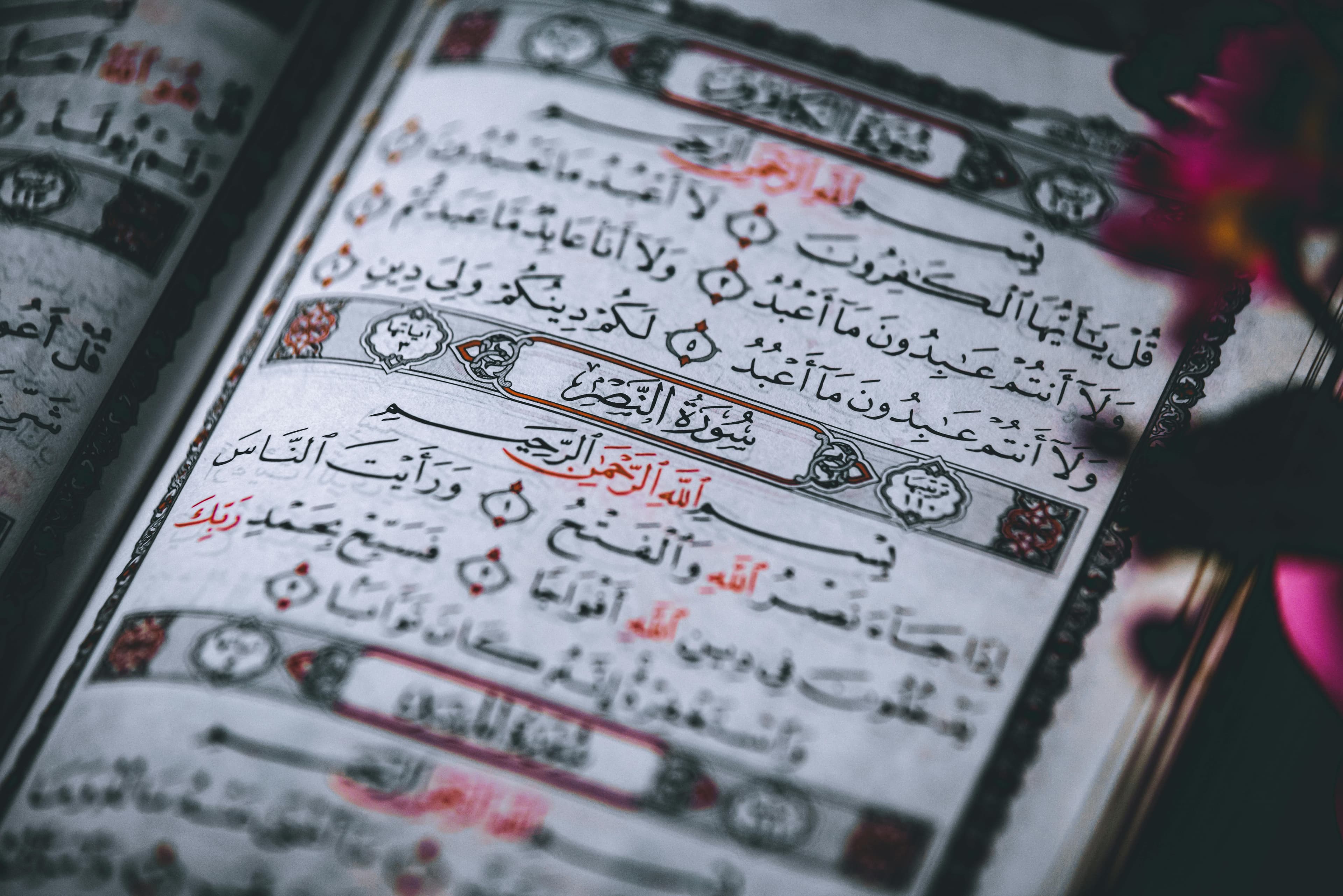
I start with Surah Al-Ikhlas, four verses, simple sentence structure, no complex Tajweed in the first pass. Then Surah Al-Falaq. Then Surah An-Naas. These three Surahs together take about eight minutes to recite. They come from the end of the Quran, Juz Amma, and serve an immediate practical purpose: you will use them in your Salah.
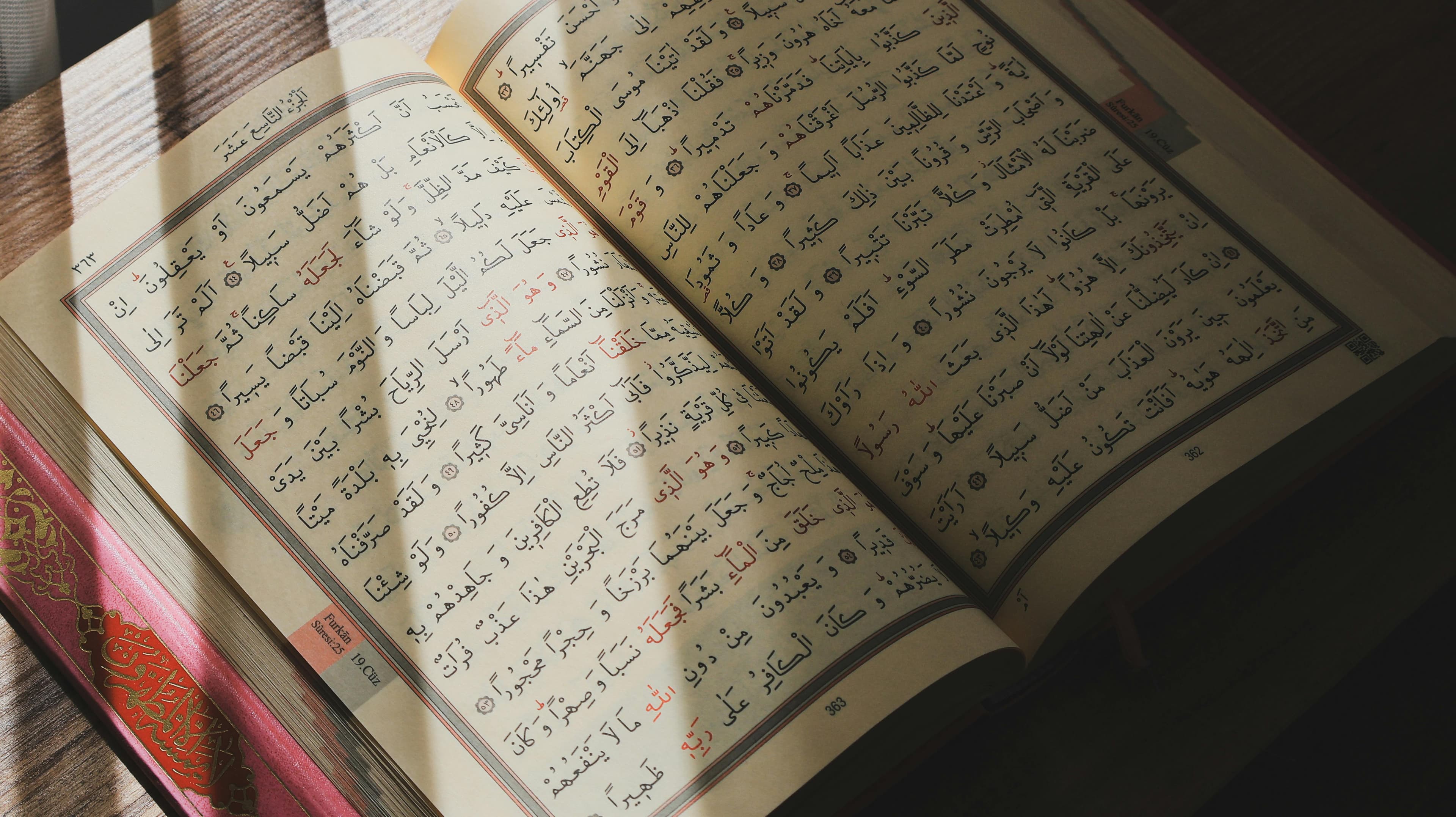
Here is what this looks like concretely. You open your mushaf to Surah Al-Ikhlas. You read it aloud, letter by letter, slowly, with the vowel marks visible. You do not memorise it yet, you read it. The following day you read it again. By day seventeen, you are reading it without needing to stop and think about each letter individually. By day twenty-one, you are reading it fluently enough to begin the gentle process of committing it to memory.
The goal of week three is one short Surah read fluently. Not perfect Tajweed. Not memorised. Just fluent, confident reading of a real Quran verse from the Arabic text.
If you are a new Muslim and want a structured path through the first month, with a teacher who has done this with many reverts before, book a free trial here. We start at whatever level you're actually at, with no judgement and no rush.
Day 22 to 30: Establish the daily habit
Week four has one objective that has nothing to do with Arabic letters: creating the daily practice habit that will carry you for the next twenty years.
Most new Muslims begin with tremendous motivation. The Quran feels new, significant, and exciting. That motivation is real and you should use it, but do not depend on it. Motivation fluctuates. Habit sustains.
The daily Quran practice that survives past month six is short, consistent, and attached to something that already happens every day. For most of my students, the simplest anchor is after Fajr. The prayer is already a daily habit. Adding fifteen minutes of Quran reading directly after Fajr costs nothing in schedule-building effort, the time is already carved out by the prayer itself.
Fifteen minutes per day in month one is enough. Ambitious new Muslims often try for an hour and burn out by week six. The ones who are still reading consistently two years later are almost always the ones who started with a modest daily commitment and kept it.
The full six-step guide for adult beginners starting the Quran has more detailed advice on building a sustainable reading habit beyond the first month.
What to skip in the first 30 days
This section matters as much as the plan above.
Skip online self-study apps as your primary method. Apps can supplement but not substitute for a teacher who listens to you. The fundamental problem with Arabic pronunciation is that errors feel correct from the inside. You cannot hear your own Makharij mistakes, a teacher can. An app cannot.
Skip the translation-first approach. Some new Muslims start by reading the Quran entirely in English translation, reasoning they should understand it before attempting the Arabic. Understanding the meaning is important. But reading the Quran in Arabic is a separate skill, and postponing it tends to make starting it feel bigger rather than smaller. Learn the Arabic now; deepen your understanding of the meaning alongside it.
Skip Tajweed perfectionism. You will not recite Surah Al-Fatiha with perfect Ghunna and proper Madd in your first thirty days. You should not try to. The sequence is: letters, then vowels, then basic fluency, then correct pronunciation, then Tajweed rules. Attempting to layer detailed Tajweed rules onto uncertain letter recognition produces errors in both simultaneously. The dedicated guidance for new Muslims and Tajweed is the right place to start when you are ready for that layer, not before.
Skip comparing your progress to born-Muslims who have been reading since childhood. They had ten years of daily reading before you had ten days. The comparison serves no one.
What a teacher actually provides in the first month
I want to be honest about what having a teacher changes for a new Muslim in month one.
The most obvious thing is correct pronunciation from the start. Errors that are not caught in the first month become habits in the second. A letter mispronounced consistently for thirty days is now a pronunciation you have trained your mouth to produce. Correcting it in month three takes longer than catching it in week two would have.
The less obvious thing is the structure. A teacher who works regularly with new Muslims has a sequence, a day-by-day, week-by-week map of what comes first and why. That sequence prevents the common new-Muslim experience of learning pieces in a random order and finding that nothing connects.
The article on finding a female Quran teacher who works specifically with reverts covers what to look for if you specifically want a teacher with experience teaching new Muslims, including what a teacher should and should not say in your first session.
A realistic picture of month two and beyond
By the end of your first thirty days, using the plan above, you will be able to read short Surahs from the Quran in Arabic. Not fluently. Not with complete Tajweed. But genuinely reading, recognising letters, applying vowels, moving through a page slowly and accurately. That is not a minor achievement. It is the foundation everything else is built on.
Month two introduces Tajweed basics: the Madd rules, the foundational rules of Noon Sakin and Tanwin. By month three or four, you are reading Juz Amma with reasonable fluency and beginning to understand which rules are applying where.
None of this is rushed. None of it needs to be. The Quran is not going anywhere, and your relationship with it is decades long. The first thirty days are not about finishing anything. They are about beginning properly, with correct foundations, a daily habit, and a teacher listening to what comes out of your mouth.
The Noorani Qaida course is the starting point I use with every adult beginner, including new Muslims. Book a free trial here and let's map your first month together. Bring whatever you have, even if it's just your Shahada and a lot of questions.
Starting is the hardest part. Once you have started correctly, everything after it builds rather than having to be rebuilt. That is what month one is for.
Frequently Asked Questions
Where should a new Muslim start when learning to read the Quran?
Start with the 28 Arabic letters before attempting any verse, spending week one purely on recognising the letters and producing their basic sounds. A structured tool like the Noorani Qaida teaches the letters, connecting forms, and vowel sounds in the correct order, and is the same starting point used for every adult beginner.
How much time should a new Muslim spend on the Quran each day in the first month?
Fifteen minutes a day, done consistently, is enough for the first month. Ambitious beginners who try for an hour often burn out by week six, while those who keep a modest daily habit are the ones still reading two years later.
What is a realistic 30-day Quran plan for a revert or new Muslim?
Days 1 to 7 focus on the Arabic letters, days 8 to 14 add the short vowels (fatha, kasra, dhamma) and joining letters, days 15 to 21 cover your first short Surah such as Al-Ikhlas, and days 22 to 30 lock in a daily habit. The goal of the first month is to begin correctly, not to finish or memorise anything.
Should new Muslims learn Tajweed in their first month?
No, detailed Tajweed should be skipped in the first 30 days because layering it onto uncertain letter recognition produces errors in both at once. The correct sequence is letters, then vowels, then basic fluency, then pronunciation, with Tajweed basics introduced around month two.
Can adults learn to read the Quran faster than children?
Adults often learn the early stages, like joining letters into syllables, faster than children because an adult's phonological awareness is fully developed. You understand what you are doing in a way a seven-year-old cannot yet, which speeds up the first few weeks.
Updated June 2026.
It is never too late. Ayesha teaches Quran classes for adults at a relaxed, judgement free pace, including Tajweed from the basics. Begin with a free trial class and learn at your own speed.