Melbourne's Muslim community is one of the most geographically spread of any Australian city, from Dandenong and Noble Park in the south-east, to Brunswick and Coburg in the north, to Broadmeadows and Flemington running north-west from the CBD. Families across these suburbs share the same question when it comes to Quran education: how do you find a qualified teacher who can be consistently available, and what does online Quran instruction actually look like for a Melbourne family's schedule?
I have been teaching students in Melbourne for three years, currently across several of these suburbs, including families in the south-east corridor and in the inner north. What follows is the practical picture of how online Quran classes work for a Melbourne household.
The timing that makes Melbourne work
Melbourne operates on Australian Eastern Standard Time (AEST, UTC+10) in winter and Australian Eastern Daylight Time (AEDT, UTC+11) in summer. Pakistan Standard Time is UTC+5, which is five or six hours behind Melbourne depending on the season.
In practice: when it is 4 PM in Melbourne (AEST), it is 9 AM in Pakistan, well inside my teaching morning. When it is 5 PM in Melbourne, it is 10 AM in Pakistan. My teaching day runs until around 8 PM PKT, which in Melbourne AEST is 1 AM the following morning. The productive overlap is in the Melbourne late afternoon and early evening during Australian winter, and the Melbourne afternoon during Australian summer.
The specific slots that work for Melbourne primary school children (ages 5 to 12): Monday to Thursday, 4:00 PM to 6:00 PM AEST. Most Victorian state primary schools dismiss between 3:15 PM and 3:30 PM, with private schools slightly earlier. A 4:00 PM or 4:30 PM slot gives enough time for the school-to-home transition and a brief snack before the class starts.
For secondary-aged students (ages 13 to 17), the 5:30 PM to 6:30 PM AEST window accounts for later school dismissal times and after-school activities.
For Melbourne adults, and I have a number of adult women learners from Brunswick and Coburg, the 7:00 PM to 8:00 PM AEST slot works on weeknights if the schedule permits, or Saturday morning from 9:00 AM for those who prefer a weekend-only structure.
Summer adjustment: Melbourne shifts to AEDT (UTC+11), making it eleven hours ahead of Pakistan. My 8 AM PKT now maps to 7 PM AEDT. This slightly shifts the afternoon overlap, but the core 4 PM to 7 PM AEDT window remains workable as my teaching runs from approximately 9 AM to 2 PM PKT.
What Melbourne families typically come looking for
Three patterns come up consistently in my conversations with Melbourne families.
The first is qualification. Melbourne has community mosque classes, weekend Islamic schools, and private tutors, but the quality range is wide. Families who find me online are typically looking for a specific credential level: a teacher who holds an Ijazah or formal Tajweed certification, not just years of experience teaching community classes. The question "what are your actual qualifications?" is almost the first thing Melbourne parents ask me in our initial messages.
The second is consistency. Many Melbourne families have been through the experience of a community teacher changing, a Saturday class dissolving when the mosque programme restructured, or a local tutor who was available for six months and then wasn't. Online teaching, with a teacher whose entire professional work is online instruction, provides a consistency that community-based arrangements often cannot. My teaching schedule is set weekly, I teach internationally, and I do not disappear because the local mosque committee changed.
The third is female teacher availability for daughters. Melbourne's South-East Asian, South Asian, and Middle Eastern Muslim communities all place weight on a female teacher for daughters, particularly once they are approaching or past puberty. Finding a qualified female teacher locally who is available during after-school hours is difficult in many Melbourne suburbs. Online removes the geographic constraint entirely.
The complete guide for Australian Muslim families covers how online Quran instruction is structured nationally, including how the Melbourne timing fits into the Australian picture overall.
Melbourne families: I have availability in the 4 PM to 6 PM AEST weekday window and Saturday morning slots. Book a free 30-minute trial here. Tell me the ages of your children and which days work, and I'll confirm what's open.
Melbourne's South-East Asian Muslim community
A significant part of Melbourne's Muslim community, particularly in the Dandenong, Noble Park, and Springvale corridor, is of Pakistani, Bangladeshi, and Afghan heritage. This matters for Quran instruction in the same way it matters in any South Asian diaspora community: children in these households often have some Urdu or Pashto at home, which provides a partial phonological foundation for Arabic.
At the same time, the specific substitution errors that South Asian children carry are well-documented: ذ and ظ often both become 'z', the emphatic quality of ط and ض is frequently softened, and vowel length rules from Urdu rhythm affect how Madd is produced. I know these patterns because I grew up navigating the same phonological territory in Pakistan. Catching them early, ideally in the first three lessons, prevents them from becoming entrenched habits.
For Melbourne families from Turkish, Lebanese, or Egyptian backgrounds, the phonological starting point is different but often easier: many children from these communities have more intuitive access to pharyngeal and emphatic consonants because they appear in the heritage language. The correction work shifts to Tajweed rules rather than basic Makharij.
What a Melbourne trial class looks like
A free trial is a real lesson, not a sales conversation. I ask the parent to give me 30 minutes with the child, or with the adult student, and I treat it as a standard first class.
For a child coming in with some existing Quran experience, I ask them to recite Surah Al-Fatiha and then a short Surah they know well. I listen for six specific things: Makharij accuracy on the ع and ح, correct application of Ghunna on the Noon Mushaddad, Madd length in "Ar-Rahman ir-Raheem," vowel consistency throughout, stopping at the correct places, and breath control. By the end of the Surah I have a clear picture of where the child is and what the first three months need to address.
For a child just beginning, six-year-old with no Qaida experience yet, the first class is simpler. I meet them at the letter level and we work through basic recognition and sound production for 20 to 25 minutes. The last five minutes I talk to the parent about what we covered and what comes next.
For adults, the diagnostic is the same but the approach is gentler. Adults who are beginning fresh often carry anxiety about their age and embarrassment about their starting level. The first class is partly about establishing that neither of these things is a problem in my teaching.
The Sydney community guide has a similar structure and is worth reading if you are comparing how the eastern-seaboard cities approach online Quran scheduling, the timing is identical and many of the community patterns overlap.
The practical equipment question
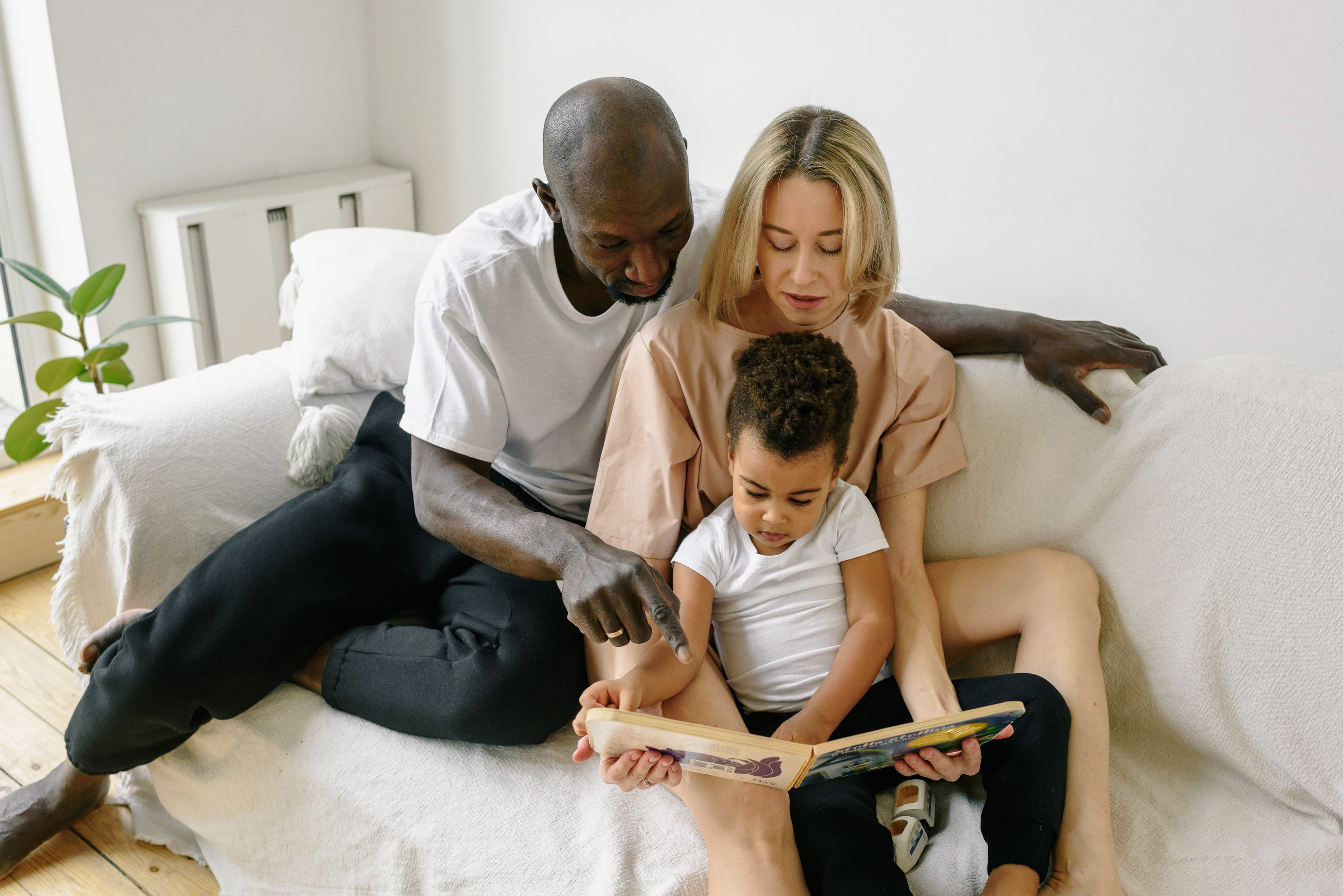
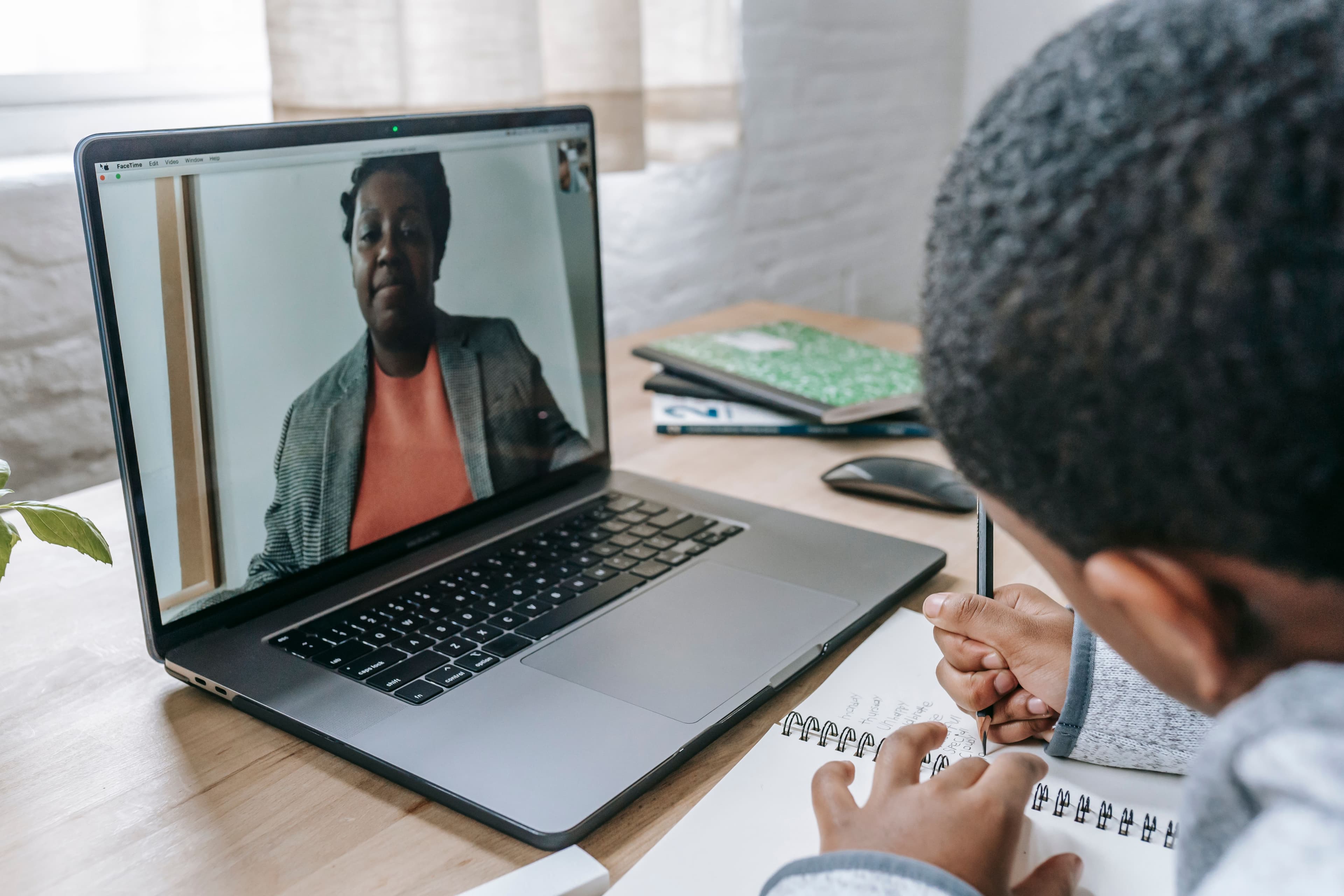
Melbourne families occasionally ask about the technical setup for online Quran classes. The basics are simple: a laptop or tablet with a working camera and microphone, a stable enough WiFi connection to sustain a 30-minute Zoom video call, and a relatively quiet space where the child can recite aloud without feeling self-conscious.
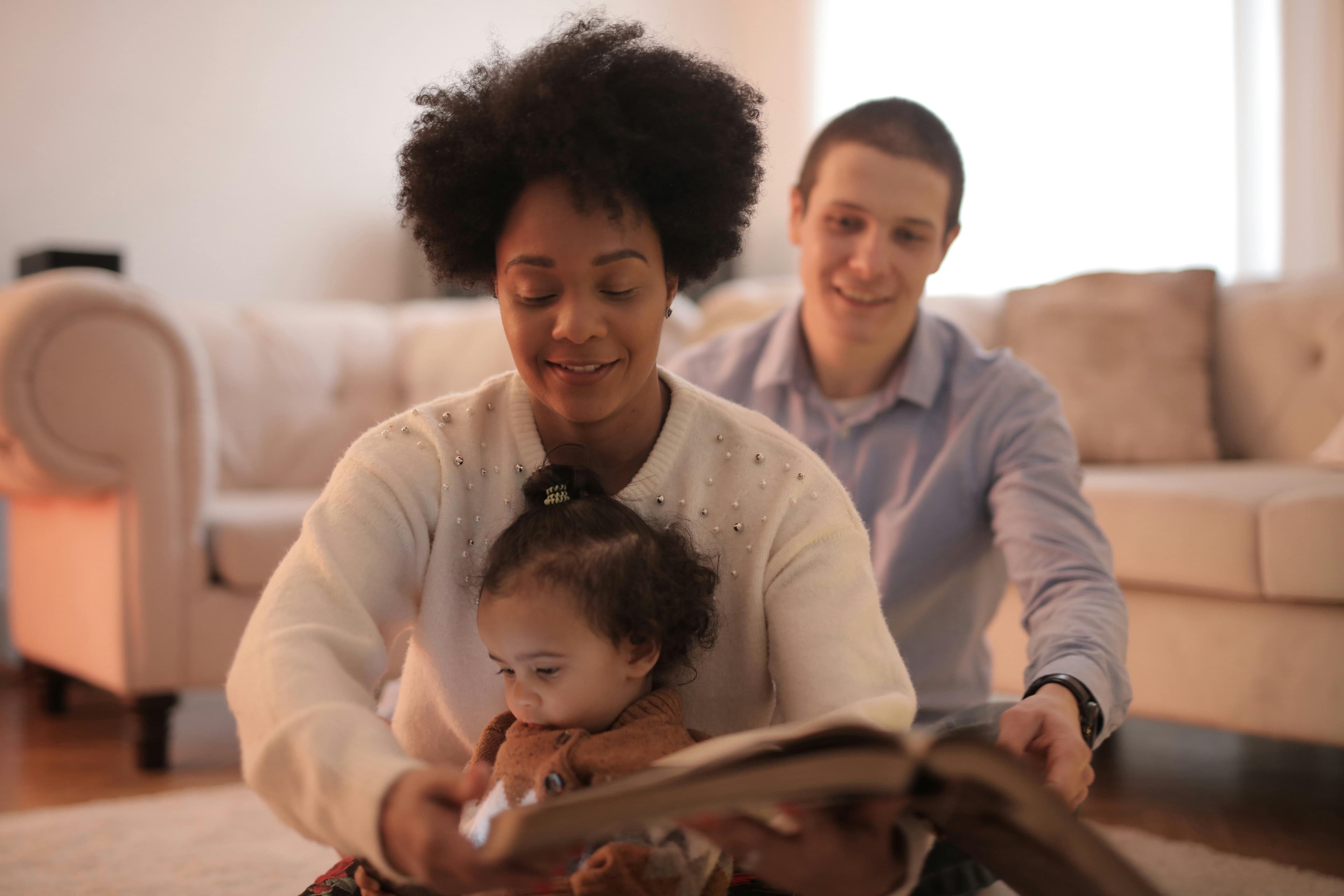
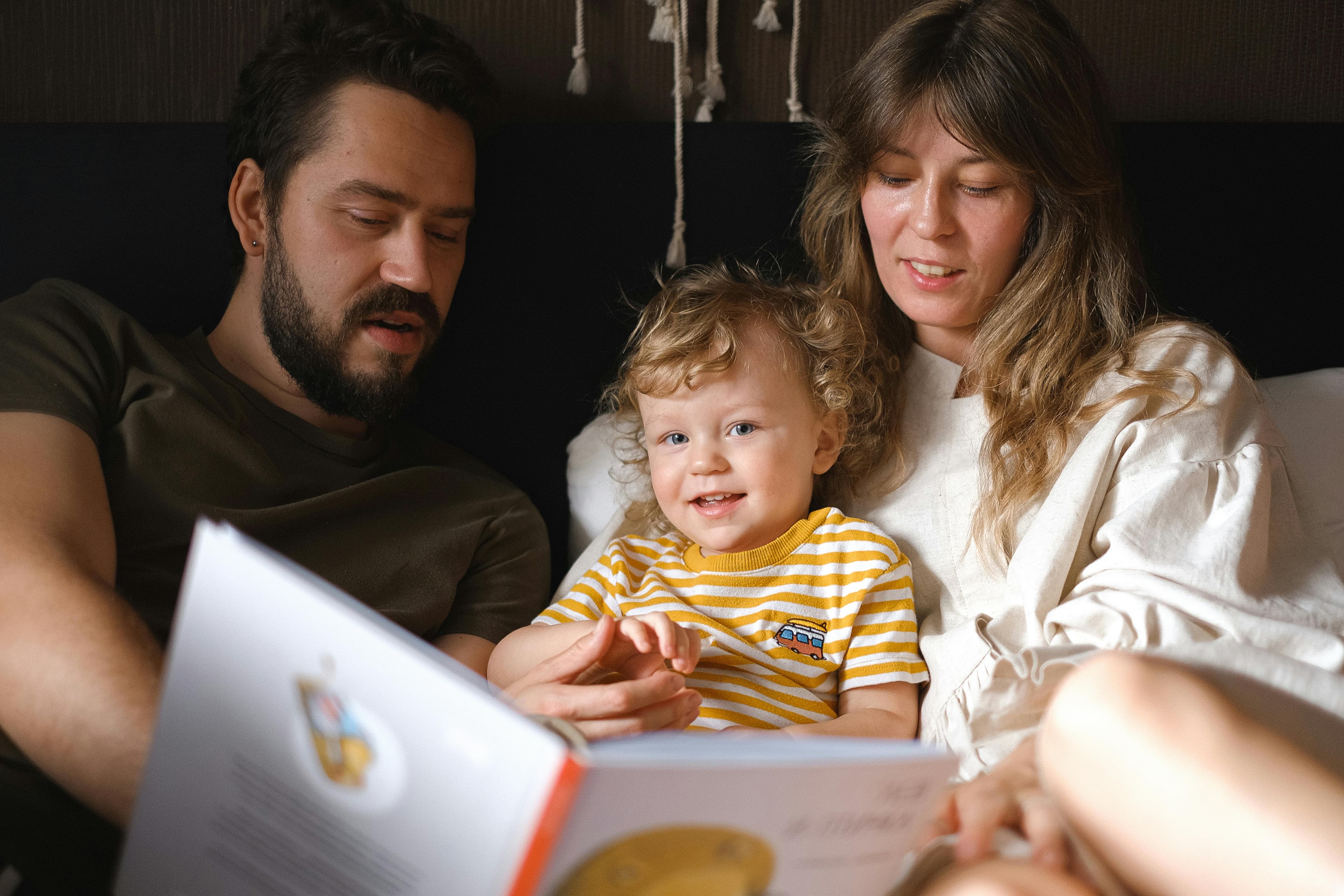
The one equipment addition I recommend for children: a physical Quran or Noorani Qaida, not a PDF on a tablet. Reading from a physical text, where the pages are permanent, the layout is consistent, and the child's eyes move across actual Arabic rather than a backlit screen, produces better reading habits and avoids the distraction that comes with having a device open for both the class and, potentially, everything else.
For a Melbourne child in their first month, a Noorani Qaida printed by any standard Islamic bookshop, there are several in Dandenong and in Coburg, is sufficient. I can guide families to a specific edition if they want a recommendation.
What to expect after the trial
If the trial goes well and the family wants to proceed, we agree on a regular slot, typically two or three sessions per week for children, one or two for adults. I send a brief written summary of the first class: the current level, the three things we are working on in the first month, and the practice expectation between sessions.
Practice between sessions matters as much as the class itself. For a Melbourne child reading the Noorani Qaida, fifteen to twenty minutes of daily review, not a second formal class, just reading the pages we covered in the lesson, is the difference between progressing each week and standing still.
I give every family a simple daily practice guide at the start: three pages from the Qaida, read aloud once each, self-correcting where possible. Takes twelve minutes. Does not require parental Arabic knowledge. Just requires the child to sit with the book and produce sound from the page.
The Australia locations page has the full programme structure, how the curriculum progresses from Qaida to full Quran to Tajweed, and what the Hifz programme looks like for Melbourne families who want it. Book the free trial here when you're ready to see it in practice.
Melbourne families who reach out usually have a clear sense of what they want, they just need to find the right match. The trial is the fastest way to know whether this is it.
Frequently Asked Questions
What time are online Quran classes available for Melbourne children?
For Melbourne primary school children (ages 5 to 12), the slots that work are Monday to Thursday, 4:00 PM to 6:00 PM AEST, leaving time after the usual 3:15 to 3:30 PM school dismissal. Secondary students (ages 13 to 17) typically take the 5:30 PM to 6:30 PM AEST window, and these times shift slightly during Australian summer (AEDT).
Can I get a female Quran teacher for my daughter in Melbourne?
Yes. Ayesha is a certified female Hafiza who teaches girls 1-on-1 online, which removes the difficulty many Melbourne families face finding a qualified local female teacher available during after-school hours. Online instruction removes the geographic constraint entirely across all Melbourne suburbs.
What happens in a free trial Quran class for a Melbourne family?
The free trial is a real 30-minute lesson, not a sales conversation. For a child with some experience, Ayesha listens to a short recitation and assesses six specific things including Makharij, Ghunna, and Madd length; for a complete beginner she works at the letter level, then spends the last few minutes explaining next steps to the parent.
What equipment do I need for online Quran classes in Melbourne?
You need a laptop or tablet with a working camera and microphone, a stable WiFi connection for a 30-minute Zoom call, and a quiet space where the child can recite aloud. A physical Noorani Qaida or Quran is recommended over a PDF, and these are available from Islamic bookshops in suburbs like Dandenong and Coburg.
How much practice does a Melbourne child need between Quran classes?
About fifteen to twenty minutes of daily review is enough, simply reading aloud the Qaida pages covered in the last lesson, which takes around twelve minutes. It does not require any Arabic knowledge from the parent, only that the child sits with the physical book and produces sound from the page.
Updated June 2026.
Based in Australia? See online Quran classes for Australian families at AEST friendly morning slots, with a female Quran teacher. Start with a free trial class.