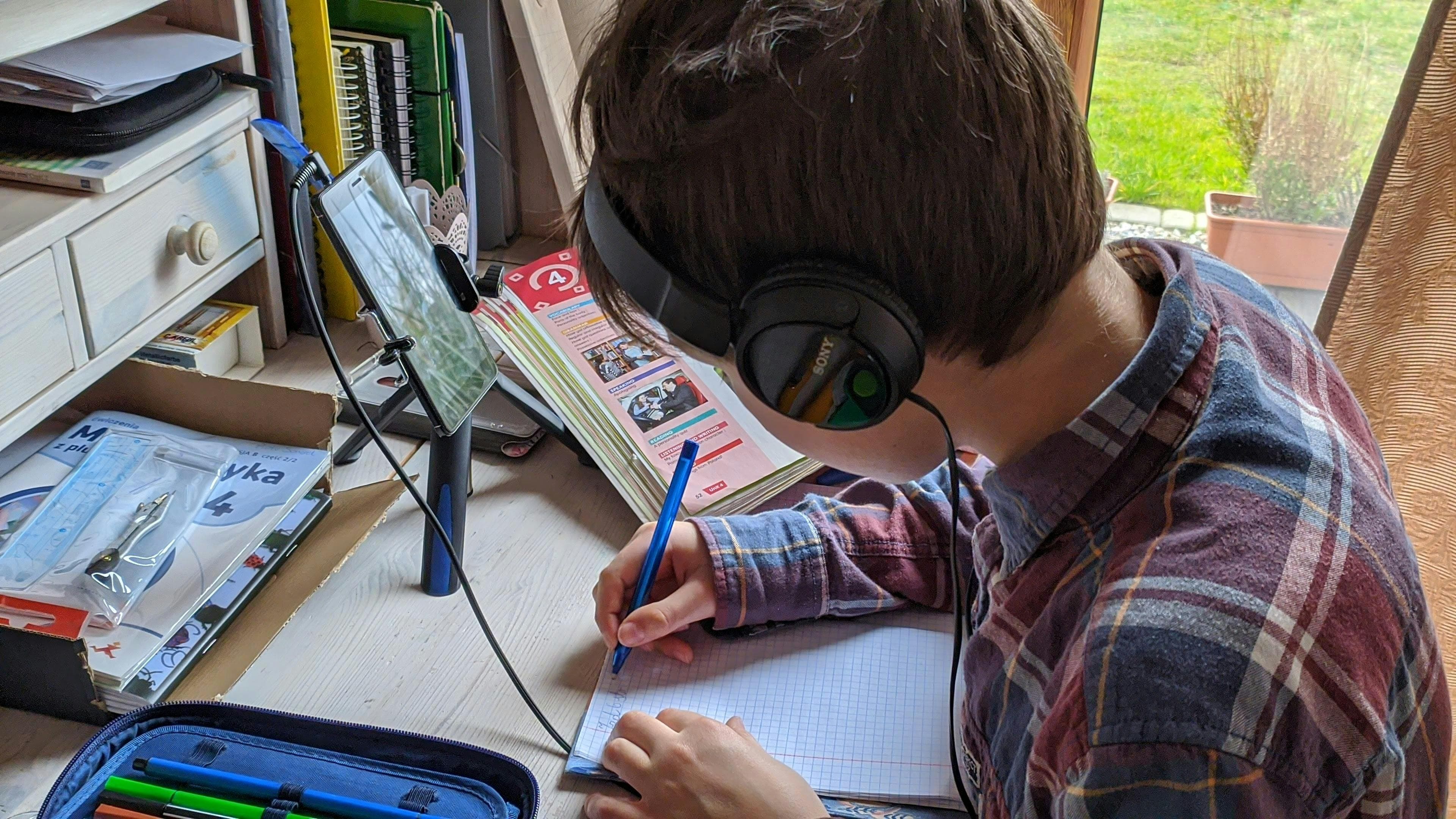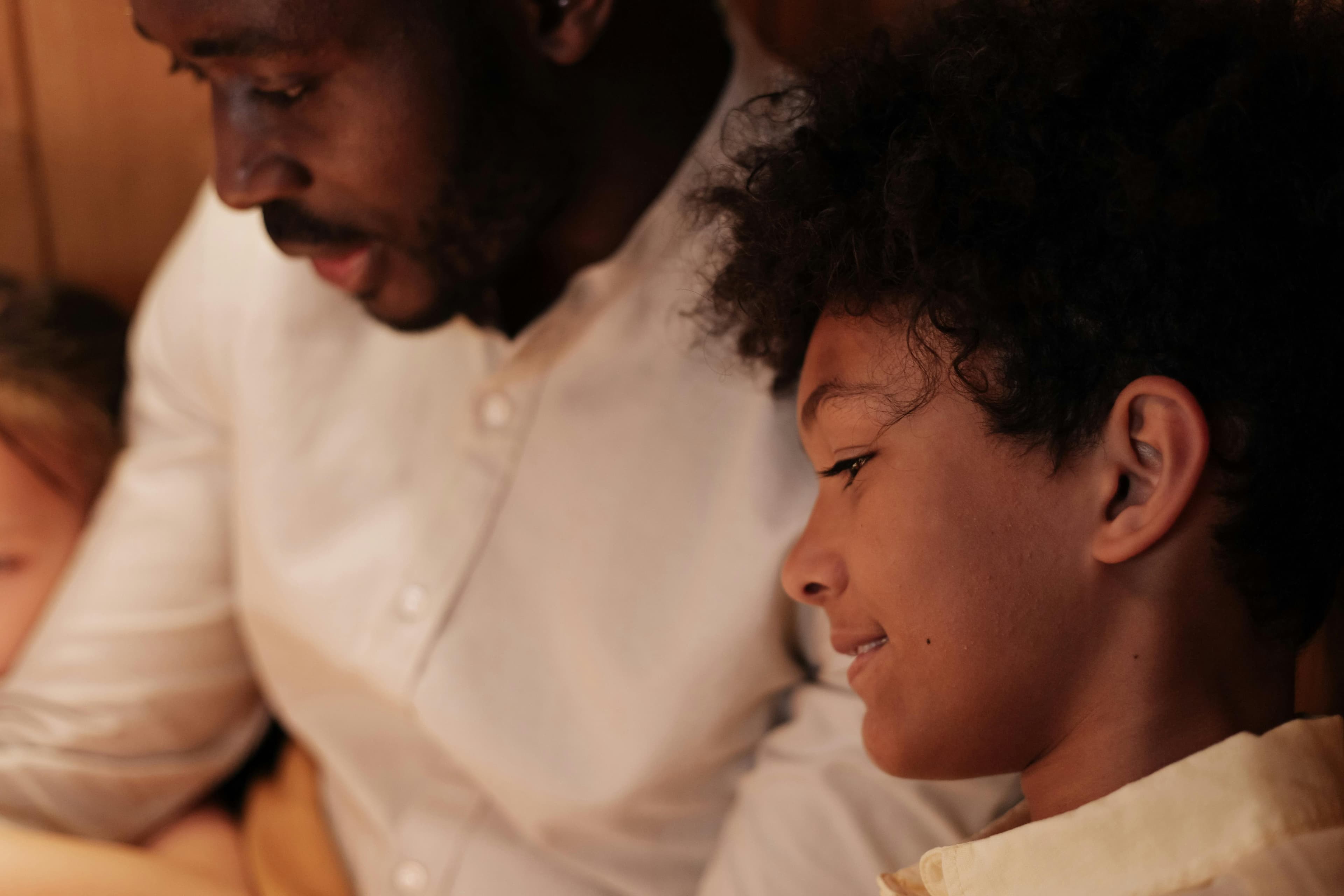
The best Quran progress I've seen in my students didn't happen because I was an especially brilliant teacher on those particular days. It happened because something was set up well at home. The daughter came to class already with some investment in the relationship, and when she didn't understand something, or made a mistake, or wanted to try something again, she wasn't afraid to say so.
That ease doesn't happen automatically. And it can be quietly undermined by parents who are trying hard to help and don't realise what they're doing. This article is for parents who want to get the home side of the teacher-student dynamic right.
What a strong teacher-student bond actually produces
Before talking about what you can do, it's worth naming what you're trying to create. A daughter who has a genuine connection to her Quran teacher is one who:
- Brings her actual questions to class instead of sitting with confusion
- Admits when she didn't practice that week, rather than pretending she did
- Recites freely rather than holding back out of fear of correction
- Brings small things to the teacher's attention, "I've been struggling with this Surah all week"
All of these behaviours produce faster, more accurate Quran learning than a student who is technically attending lessons but holding herself at a careful distance. The daughter quran teacher bond is not a soft, secondary factor. It is one of the main conditions under which learning actually happens.
What parents do that helps
Talk about the teacher by name, positively, in front of the daughter.
"What did Sister Ayesha show you this week?" rather than "How was Quran?" The difference sounds minor but it personalises the relationship. The teacher becomes a known person in the household's landscape, not just a lesson.
When a daughter recites something correctly at home, credit the teacher specifically: "That's clear, your teacher must have worked hard on that with you." Children register when a parent respects the teacher. That respect gives the teacher's instructions weight.
Let the daughter report on the class herself.
After the lesson ends, your first question should be curious rather than evaluative. "What did you work on today?" is better than "Did you get everything right?" The first invites a conversation. The second signals that you're monitoring performance, which is a different dynamic.
When a daughter reports that class was hard, or that something didn't click, respond with interest rather than concern: "What was the hard bit?" Not "Oh no, should I speak to the teacher?" Immediately escalating small difficulties to a parent-teacher conversation teaches the child that problems go up the hierarchy rather than being something she and her teacher work through.
Follow the teacher's home practice instructions precisely.
This is one of the most concrete things a parent does for the teacher-student relationship, and it's often overlooked. When a teacher says "practice this page three times each day before the next class," and the daughter shows up having practiced it twice but saying she practiced three times, and the teacher can hear in the recitation that the third practice didn't happen, the class begins with a small untruth between them.
Teachers notice when home practice has happened and when it hasn't. A student who is honest about what she did and didn't do is in a much better position than one who has been coached to present a polished account of the week. Honesty in the teacher-student relationship is foundational, and parents who encourage accurate reporting of practice, even when the accurate report is "we only managed two days"are doing something genuinely useful.
What parents do that quietly damages the bond
Contradicting or second-guessing the teacher's corrections in front of the child.
I've had parents message me to say "my daughter is confused because you told her to pronounce ض one way, but her uncle says it's different." This is a real situation, and the right way to handle it is to raise it with the teacher privately. The wrong way is to tell the child "your teacher says X but I think Y"at which point the child has two competing authorities and no basis for choosing between them.
If you have a question about a teaching approach or a specific correction, bring it to the teacher directly. Do not resolve it via the child.
Sitting in on every single class long-term.
In the first few sessions, parental presence is reassuring for a young child and useful for a parent who wants to understand the curriculum. But a parent who sits in on every class indefinitely, especially with a daughter aged nine or ten and above, changes the dynamic of the room. The daughter performs for the parent rather than genuinely engaging with the teacher. She adjusts her behaviour based on the parent watching, not based on what the lesson actually requires.
I generally recommend that parents sit in for the first two or three classes and then trust the teacher to manage the session. You can always ask the teacher for a progress update outside of class time. That is different from monitoring every lesson.
Offering prizes or incentives that reference the teacher.
"If you do well this week, I'll tell the teacher to give you something nice." This well-meaning approach accidentally makes the teacher into a tool for the parent's reward system, rather than a person the child has her own relationship with. Reward your daughter's Quran effort with your own acknowledgement and your own system, don't route it through the teacher.
If you're in the early stages of finding a teacher for your daughter and want to see how a healthy dynamic between a female teacher and a young student actually works, book a free trial here. Parents are welcome to sit in on the first class and ask questions afterwards.
The trust question
The thing that undermines the daughter quran teacher bond more than any other single factor is a daughter who has been taught, implicitly or explicitly, not to fully trust the teacher.
This sometimes comes from a previous bad experience: a daughter who had a difficult teacher somewhere else and was removed from that class. The child is now appropriately cautious about teachers, and the parent is too. When a new teacher comes along, the child holds herself back.
If this is your situation, the approach that works is patience and explicit, specific validation of the new teacher at home. "Your new teacher trained for this, and she's going to be patient with you. If something in the class bothers you, you can always tell me." Both the trust and the safety net.
The full guide on why a female Quran teacher matters for daughters covers the broader context, why the gender match specifically supports the kind of trust I'm describing.
The medium-term picture
In my experience teaching daughters across a range of ages, the students who make the most progress over two and three years are almost always the ones whose parents got these basics right. They talk about the teacher positively at home. They let the daughter report honestly about her week. They follow the home practice instructions without adding their own layer. They raise questions with the teacher directly, not through the child.
The relationship between a daughter and her Quran teacher is not just a commercial arrangement for a service. It is one of the formative educational relationships of her life. The amount of time and care a parent puts into supporting it, rather than just booking it and billing it, makes an extraordinary difference.
The keeping kids motivated in online Quran classes piece overlaps with this and is worth reading alongside it, motivation and teacher bond are closely linked.
The Hifz mistakes parents make article covers the specific context of a daughter who is memorising, where the parent role is especially significant.
For female Quran teacher sessions specifically, the first class includes a brief parents' introduction where I explain how I run sessions, what I expect from home practice, and how to communicate with me during the programme. It usually answers most of the questions parents have before they've thought to ask them.
The simplest version of this: treat your daughter's teacher as someone worth respecting, let your daughter see that, and step back enough to let the relationship develop on its own. That is the whole thing.
A note for fathers
Most of the parents who engage with the online Quran class setup directly are mothers. Fathers are often supportive in the background, they help with payment, they make sure the child has the right setup, but the day-to-day home-practice management usually sits with the mother.
Where fathers have a specific impact on the teacher-student bond is in their casual comments. A father who says, in passing, "Is that Quran class actually doing anything?" creates a ripple that reaches the daughter and sometimes reaches the teacher. A father who asks his daughter to recite for him, and responds genuinely to what he hears, "That's much clearer than last month, MashaAllah"does something that a mother cannot replicate simply because it comes from a different voice in the household.
Daughters whose fathers express specific, genuine interest in their Quran progress do measurably better in their classes. This is not a theory, it's a pattern I see consistently across families in Birmingham, Houston, Toronto, and Sydney. You don't have to manage the logistics. Occasionally asking to hear her recite something is enough.
Frequently Asked Questions
How can I help my daughter bond with her online Quran teacher?
Talk about the teacher positively and by name at home, let your daughter report on her own lessons, and follow the teacher's home practice instructions precisely. These habits let your daughter bring her real questions and recite freely, which produces faster and more accurate learning than holding herself at a careful distance.
Should I sit in on every Quran lesson with my daughter?
No, sit in for only the first two or three classes and then trust the teacher to run the session. A parent who watches every lesson long-term, especially with a daughter aged nine or above, makes her perform for the parent rather than genuinely engage with the teacher, and you can always request a progress update outside class time.
What do parents do that accidentally damages the teacher-student bond?
The common mistakes are contradicting the teacher's corrections in front of the child, sitting in on every class indefinitely, and offering rewards routed through the teacher. Each one quietly undermines the relationship, so questions about a correction should be raised with the teacher privately rather than resolved through the child.
Should I make my daughter say she did all her home practice?
No, honest reporting matters more than a polished account, because teachers can hear in the recitation whether the practice actually happened. A daughter who can truthfully say she only managed two days is in a far better position than one coached to claim she practiced every day.
What role can a father play in his daughter's Quran progress?
A father does not need to manage logistics; occasionally asking his daughter to recite and responding genuinely to what he hears is enough. Daughters whose fathers show specific, genuine interest in their progress consistently do better, a pattern seen across families in Birmingham, Houston, Toronto, and Sydney.
Updated June 2026.
Learn with a real female teacher. Ayesha is a certified female Quran teacher who teaches girls, sisters, and reverts one to one. Explore the Quran courses for kids or book a no pressure free trial class to meet her first.