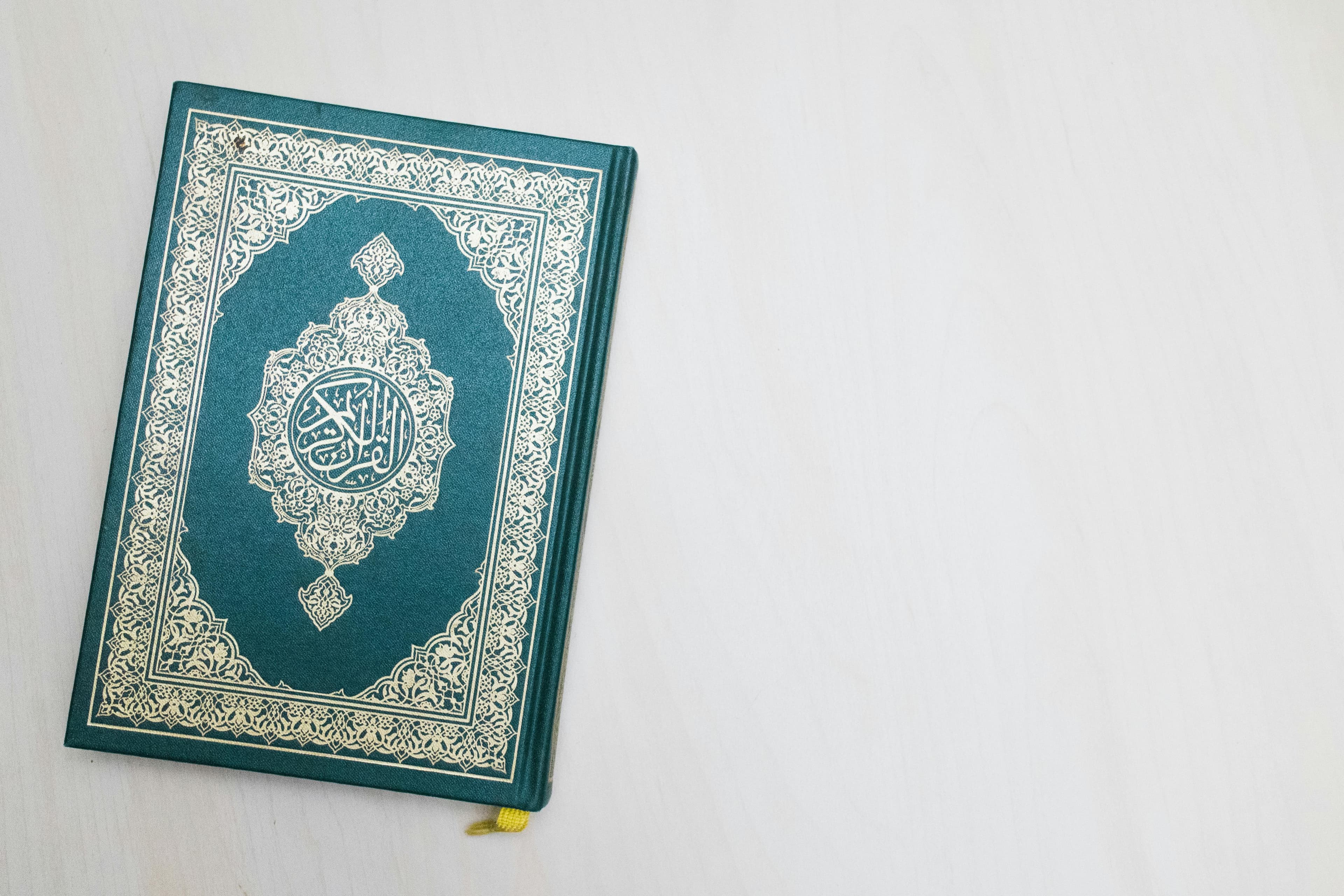
The free Quran class option comes up in almost every conversation I have with new families. Someone has already told them about the mosque's Saturday group, or a Facebook community has recommended a volunteer teacher, or they've seen an advertisement for a platform where "all sessions are free." Before they spend money on a private teacher, they want to know: is free actually worth trying?
The honest answer is: it depends on what you need, and the two categories are genuinely different things.
| Factor | Free group / video / app | Paid 1-on-1 instruction |
|---|---|---|
| Tajweed correction | General, not individual | Real-time, error-by-error |
| Attention per student | Shared across many | Full, one student |
| Lesson pacing | Fixed for the group | Calibrated to the student |
| Starting assessment | None or generic | Tailored to actual gaps |
| Accountability | Drop-in, easy to skip | Scheduled, regular structure |
| Best suited for | Early exposure, theory, tight budgets | Structured progress and Hifz |
What free Quran classes actually look like
Free online Quran instruction generally comes in four forms.
The first is mosque or community-run group classes on platforms like Zoom or Google Meet, often held on weekends, with a volunteer teacher handling twelve or fifteen students. These are run by well-intentioned people, frequently with genuine knowledge of the Quran, and they provide some Quran exposure for children who would otherwise have none. What they cannot provide is individual attention. With fifteen students in a session, a teacher cannot listen to each child's specific recitation errors, cannot pace the lesson to one child's learning speed, and cannot give the kind of direct correction that Tajweed actually requires.
The second is free YouTube-based instruction, recorded lessons, structured playlists, channels run by qualified teachers. Useful for understanding Tajweed rules conceptually. The gap here is obvious: the video cannot hear your child recite, cannot catch the specific error in her pronunciation of ق versus ك, and cannot tell her she's doing Ikhfa correctly for the first time. Passive consumption of instruction is not the same as active, corrected recitation practice.
The third is free apps, Quran learning apps with gamified letter recognition and basic recitation tools. Good for very early familiarity. Not a replacement for a teacher at any level beyond absolute beginner.
The fourth is volunteer 1-on-1 tutors found through community boards or Islamic organisations. These vary enormously. Some are genuinely qualified people choosing to offer their time without charge. Others are well-meaning but untrained individuals who learned the Quran themselves in a group madrassa setting and are passing on approximations of what they know.
The important thing about free options is not that they are free, it's that their format (group, asynchronous, or volunteer with limited training) determines what they can realistically deliver. Price is a secondary consideration to the format and the teacher's actual qualification level.
There's also a time-value question. An adult who spends a year with a free but inadequate resource, and finishes that year no further forward than they started, has spent a year of time on something that produced no learning. The free cost and the hidden time cost are both real; the second one is just less visible on a month-to-month basis.
What paid 1-on-1 instruction delivers that free cannot
The specific thing that separates paid qualified instruction from all four free categories above is real-time, individualised Tajweed correction.
Hifz and Quran reading are not knowledge-based subjects in the way mathematics is. You cannot learn to recite correctly by understanding the rules. You learn by reciting, being heard, being corrected at the precise moment of error, and then repeating correctly until the correct version is automatic. This requires a teacher who is actually listening to your specific recitation in real time, not a video, not an app, not a teacher simultaneously monitoring fourteen other students.
The second thing paid instruction delivers is a programme tailored to where you actually are. When a qualified teacher assesses a student in the first session, not assuming she's a complete beginner, not assuming she's more advanced than she is, the entire progression is calibrated to that specific student's gaps. A group class, even with a good teacher, cannot do this for fifteen students at once.
The third is accountability. A child with a regular 1-on-1 class scheduled for Tuesday and Thursday at 4:30 PM is significantly more likely to do her home practice than a child with a drop-in group class she can attend or not. The personal relationship with the teacher creates a structure that group attendance simply doesn't.
For a breakdown of what you'll actually pay for qualified 1-on-1 instruction across the UK, USA, and Canada, the 2026 pricing overview gives realistic figures rather than marketing ranges.
If you've been trying a free option and feel your child's progress has plateaued, the most efficient next step is a single comparison lesson. Book a free trial here, it's 30 minutes and costs nothing, and you'll have a direct point of comparison within one session.
Where free classes genuinely earn their place
I want to be fair here, because dismissing all free instruction would be dishonest.
For a very young child, under five, who is just being introduced to the sound and cadence of Arabic, a mosque group class or YouTube playlist is perfectly adequate. At this stage, familiarity and positive association with the Quran matter more than precise Tajweed correction. You are not trying to fix a child's Makharij at age three.
For an adult who wants to understand Tajweed rules conceptually before starting structured lessons, free resources are genuinely useful for building the framework. Understanding what Ghunna is before you sit down with a teacher means the teacher can spend less session time on theory and more on correction.
For families with very limited budgets, a free community class is far better than nothing. The caveat is to be honest about its limitations and not mistake attendance for progress.
The hybrid approach that many families use
A pattern I see frequently with the families I work with: a child attends a free mosque group class for community and general Quran exposure, while also doing 1-on-1 sessions with me twice a week for actual Tajweed development and systematic progression. The two serve different purposes and they don't conflict.
The group class gives the child connection to a local community of peers, exposure to collective recitation, and general Islamic education. The 1-on-1 session gives her the specific, corrected, structured instruction that moves her forward technically.
This isn't a required approach, plenty of families do just the 1-on-1 with no group component, but it's worth knowing that many families don't treat it as either/or.
How to know whether you need to switch
There are clear signals that a free arrangement is no longer adequate for a child's actual needs.
If your child has been attending a group class for more than six months and cannot yet read Arabic letters with accuracy, the class has not provided the correction her pronunciation needed. She is not being heard individually.
If she can recite Surah Al-Fatiha from memory but cannot read a line of Arabic she has not memorised before, she has memorised sounds without building actual reading ability. This is a specific and correctable gap, but it requires individual instruction.
If her teacher cannot tell you, specifically, what errors your child makes and what the correction plan is, the teacher does not have a sufficient assessment of your individual child.
The signs of an unqualified online Quran teacher covers the warning patterns to watch for before you commit to anyone, paid or unpaid.
The trial class question
Most people's hesitation about switching to paid instruction is not really about money, it's about not knowing whether the paid teacher will be better. The only way to answer that is to try a session.
The pricing structure I use is transparent, and the trial class is genuinely free, no card taken, no automatic enrolment. Before committing to an ongoing arrangement, I strongly encourage families to ask the teacher specific questions about their qualifications and teaching approach. The questions to ask before a free trial piece gives a practical checklist.
The trial lesson takes 30 minutes. It gives you a clear picture of what structured 1-on-1 instruction feels like, and what the difference from a group setting actually is. Book it here.
The free vs paid question usually resolves itself once a parent has sat in on a single 1-on-1 session. The individualisation is visible in the first fifteen minutes, the teacher listening to the specific child, catching the specific error, naming it, demonstrating the correct version, and asking the child to try again. That loop cannot happen in a group setting, regardless of how good the teacher is.
A word on platforms that advertise "free" but charge later
One more category worth mentioning: some online Quran platforms advertise classes as "free" while embedding charges in a subscription model, premium features, or a mandatory assessment fee after the first session. These are not free classes in any meaningful sense. They are free trials to a paid service, marketed with language designed to feel like the paid element is optional.
Before starting with any platform that claims free ongoing instruction, ask specifically: is this free indefinitely, or is this a free introductory period? The answer tells you what category you're actually in. A genuinely free class from a volunteer or community organisation is a different thing from a platform using "free" as a conversion mechanism.
For paid instruction, my view is that transparency matters as much as price. You should know the rate before you start, the cancellation policy before you're committed, and the credentials of the teacher before you trust her with your child's Quran education. None of that should require negotiation or hunting through small print. A professional teacher states all of it plainly.
Frequently Asked Questions
What is the real difference between free and paid online Quran classes?
The core difference is real-time, individualised Tajweed correction, which paid 1-on-1 instruction provides and free group, video, or app formats cannot. Free options give exposure, but only a teacher listening to one student in real time can catch and correct that student's specific recitation errors as they happen.
Are free online Quran classes ever worth using?
Yes, free options genuinely earn their place in some cases, such as a child under five who is just being introduced to the sounds of Arabic, an adult learning Tajweed rules conceptually before structured lessons, or a family with a very limited budget where a free class is far better than nothing. The caveat is to be honest about their limits and not mistake attendance for progress.
Can I combine free mosque classes with paid 1-on-1 Quran lessons?
Yes, many families use a hybrid approach where a child attends a free mosque group class for community and exposure while also doing 1-on-1 sessions twice a week for actual Tajweed development. The two serve different purposes and do not conflict.
How do I know when to switch from a free Quran class to a paid one?
Switch when clear signals show the free arrangement is no longer enough, such as a child attending group classes for more than six months who still cannot read Arabic letters accurately, or who can recite Surah Al-Fatiha from memory but cannot read an unfamiliar line. If a teacher cannot tell you specifically what errors your child makes and the plan to fix them, the assessment is insufficient.
Are online Quran platforms that advertise free classes actually free?
Not always, because some platforms advertise classes as free while embedding charges in a subscription, premium features, or a mandatory assessment fee after the first session. Before starting, ask directly whether the instruction is free indefinitely or only a free introductory period, since a genuinely free community class is a different thing from free used as a conversion mechanism.
Updated June 2026.
Compare for yourself. See how our online Quran classes work, check the simple pricing, and book a free trial class before you commit to anything.